What Is an AI Agent? A Plain-English Guide
A chatbot answers. An agent acts. That one difference is the biggest change in AI since ChatGPT, and it is why the word is suddenly everywhere.
An AI agent is a language model that has been given a goal, some tools and permission to keep going until the job is done. Ask a chatbot for flights to Rome and you get a list. Ask an agent and it searches, compares, checks your calendar and, if you let it, books.
Chatbot or agent?
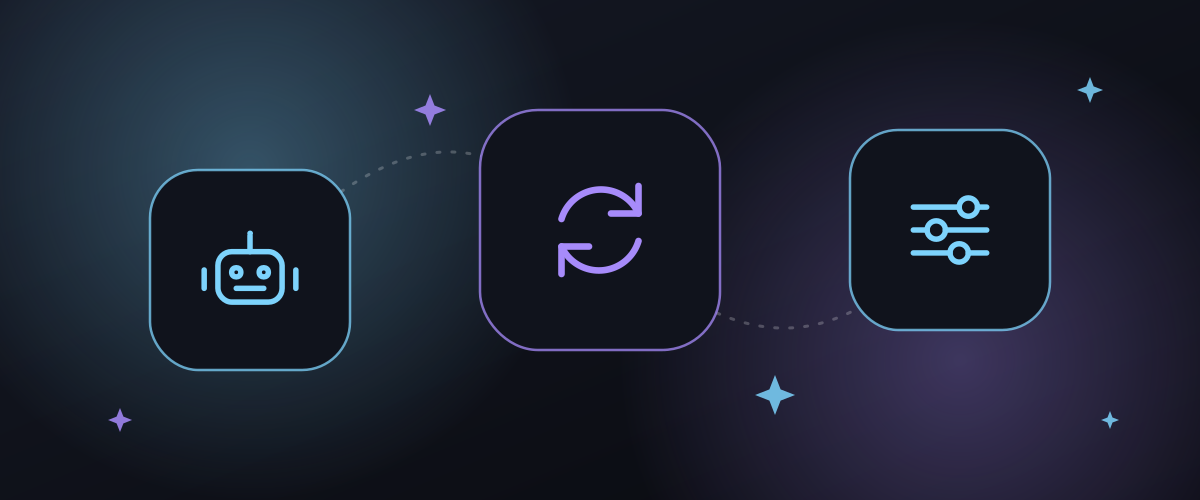
How an agent works: the loop
Every agent, however sophisticated, repeats the same four steps until the task is finished.
What agents can do today
Where agents still fall down
- They make mistakes, and a mistake in step two can carry through every later step. Longer tasks fail more often.
- They can be tricked. Text hidden in a web page or email can tell an agent to do something you did not ask for. This is called prompt injection.
- They can be overconfident, reporting that a job is done when it is not. Check the result, not the summary.
- They need access to be useful, and every permission you give is a risk if something goes wrong.
- They cost more to run than a chat, because one task can mean hundreds of steps.
How to use an agent safely
- Start with tasks where a mistake is cheap and easy to undo, such as research or drafting.
- Give the least access that will do the job. An agent planning a trip does not need your whole inbox.
- Keep approval switched on for anything that spends money, sends messages, or deletes or changes files.
- Never give an agent your passwords or card details. Use the official sign-in and payment steps yourself.
- Ask it to show its working and its sources, and check the important parts.
- At work, use only the agents your employer has approved, and never point one at confidential data without permission.
Why everyone is talking about agents
Until recently, AI could only help with a task while you did the work. Agents change who does the work. The length of task they can finish alone has grown from minutes to hours in about three years, and is still doubling every few months.
That is why businesses are so interested: an assistant that answers questions saves minutes, but one that completes whole pieces of work changes how a team is organised. It is also why agents sit at the centre of the debate about AI and jobs.